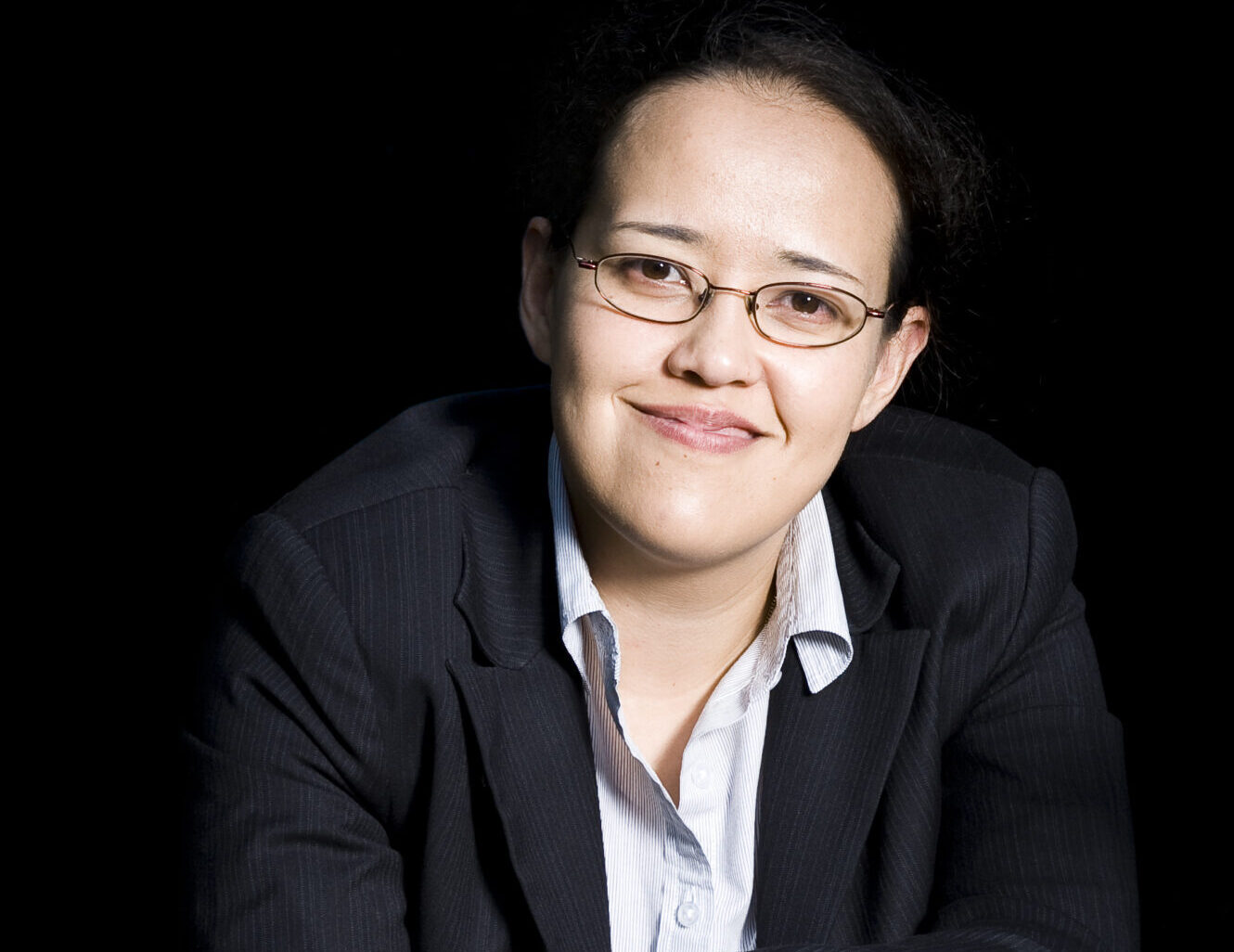

Charlotte Hu, associate professor at the Boston Conervatory, sat down with Andew Rumsey, professional concert pianist and Kawai Australia’s Education Business Development Executive.
Charlotte (formerly known as Ching-Yun Hu) is a Taiwanese American pianist who has been praised by audiences and critics across the globe for her dazzling virtuosity, captivating musicianship, and magnetic stage presence.
Interview with Boston Conservatory associate professor Charlotte Hu
What’s something you learned way too late in your piano journey?
It’s never too late to learn something!t Better late than never, and try not to dwell on the past but focus on the present and the future.
Is there one piece you believe every serious student should study, no matter what?
J.S. Bach contrapuntal works, Chopin Etudes, Mozart Sonatas. It’s hard to choose just one!
What’s one technical challenge that never quite goes away — even for professionals?
Memory. It is one aspect of a professional musician’s life that never goes away, whether you perform older repertoire or consistently learn new repertoire (unless one decides to always perform with a score or an iPad).
Do you ever have to unlearn things in your playing?
Yes, fingerings. This happened more in the past when I was still in school. Now I take ample time to learn new repertoire. Oftentimes, it’s much easier to scratch everything and start anew, rather than unlearn.
Is there a particular non-musical habit that has helped you the most at the piano?
Meditation. I started when I was 9. It helps me focus and centres my mind. It has directed my life paths and decisions.
What’s a mistake you often see even advanced students make?
Fear of going outside the box and continuing on paths that might not resonate with your inner self.
Which composer do you most understand emotionally — and do any still elude you?
Granados, Liszt, Rachmaninoff, Mozart… composers I decide to record are personalities I feel particularly close to by heart. Brahms — I am moved by him. I revere him.
How do you know when a piece is truly “ready”?
There are different layers of readiness. I’d say pieces I’ve performed and tested on stage multiple times over time are ready to be performed with utmost emotional and physical freedom.
Have you ever completely changed your fingering after memorizing a piece, and why?
Yes, as answered in question #4. I continue to test fingerings as I perform a work. Sometimes I change the fingerings not for technical purposes but for a particular sound or colour I’d like to create.
What’s your favourite moment on stage?
When I’m completely free and simply enjoying the moment of letting the music play through me.
If you could teach one interpretive principle to every piano teacher, what would it be?
Knowing distinct stylistic differences, and how to read the score to interpret each composer. Also, it’s essential to learn the art of creating nuances.
Is there anything you’re secretly working on at the piano right now — just for yourself?
I keep working on Rachmaninoff 3.
13. What’s one thing about your own musical journey that you wouldn’t pass on to your students?
The belief that you have to accomplish everything on your own – learning to ask for help and support in life and growth is fundamentally important.
What does “freedom” mean to you in the context of classical performance?
You have tremendous learned knowledge and experience of the work you perform, its content, style, nuance, and sound; and you have great pianistic capacity and refined taste. From there, you’re free to interpret the music as it resonates with you emotionally, personally and creatively.
What’s one thing you wish more audiences understood about the experience of performing?
That as musicians, this is our life. We take the performance very seriously and dedicate our lives toward artistic excellence.
In five words or less — what makes a pianist unforgettable?
Transcending, creative, exquisite, personal, free